Best Bannetons and Proofing Baskets for Sourdough: What Actually Matters
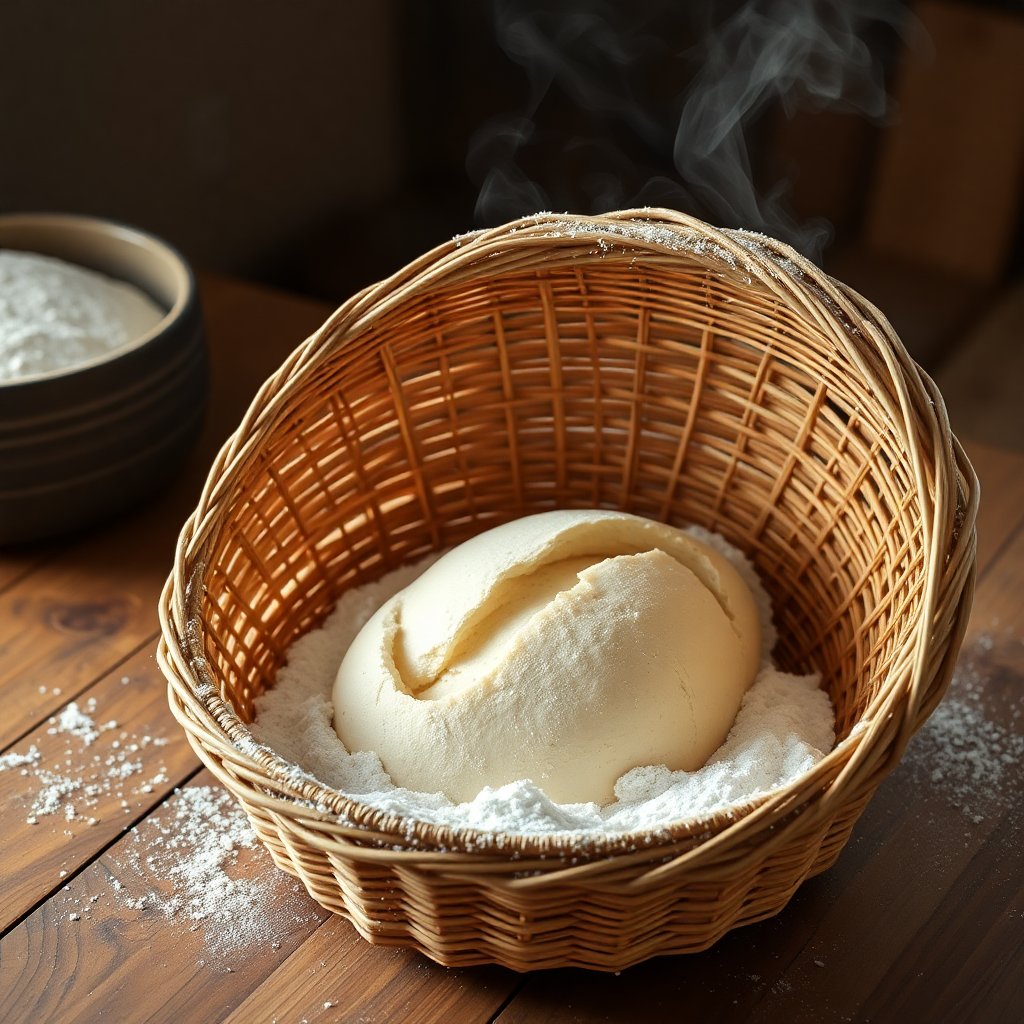
A banneton (also called a proofing basket or brotform) does two things: it gives your shaped dough a container to hold its form during the final proof, and it wicks surface moisture from the dough to help develop a better crust.
You can proof dough in a floured bowl covered with plastic wrap. It works. A proper banneton works better — it produces a tighter, better-shaped loaf with more defined structure, and the spirals (when you use bare rattan) leave a distinctive pattern in the crust.
Here's what actually matters when choosing one.
Round vs Oval: Which Shape Do You Need?
The first choice is shape, and it comes down to what bread you're making.
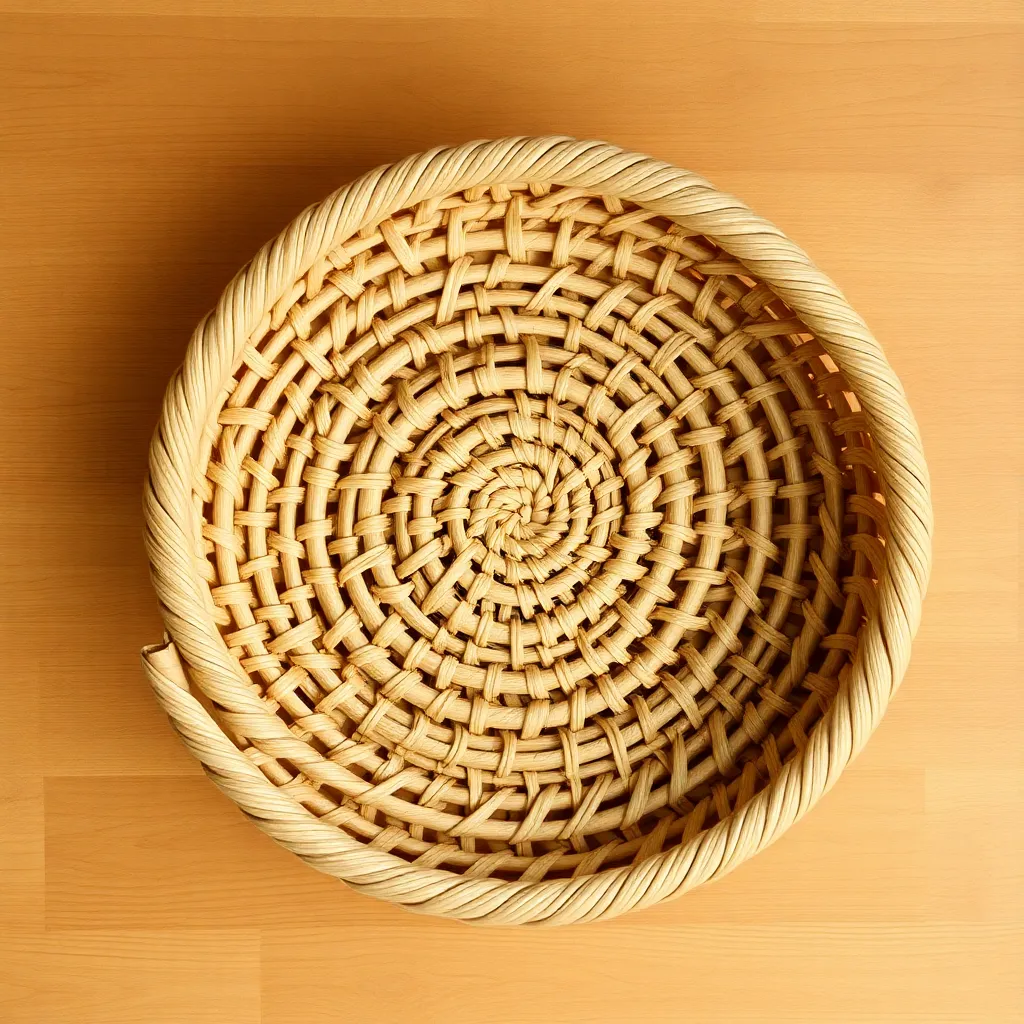
Round bannetons (also called boule bannetons) are for round loaves. The standard sizes are 8" and 9" diameter, suitable for 750g-1000g dough weights. Most beginners start with a round because it's forgiving to shape and easier to score.
Oval bannetons (also called batard bannetons) are for elongated loaves. Standard sizes are 9" and 10" long. An oval (batard) shape has a better surface area to volume ratio, which gives you more crust per bite — many experienced bakers prefer it.
For beginners: Start with a round. It's more forgiving to shape and easier to score.
Bare Rattan vs Linen Liner
The second choice is material, specifically whether to use bare rattan or a linen liner.
Bare Rattan
The traditional banneton material. When bare rattan is properly floured (rice flour is recommended — it doesn't absorb moisture the way wheat flour does), dough releases well.
The advantage of bare rattan: the spiral rings leave a distinctive pattern in the crust that bakers call the "ring pattern" or "banneton rings." It's purely aesthetic but it looks great.
The disadvantage: requires more care. New bannetons need to be broken in with a few uses before they release reliably. And if you don't flour properly, the dough can stick catastrophically.
Linen Liner
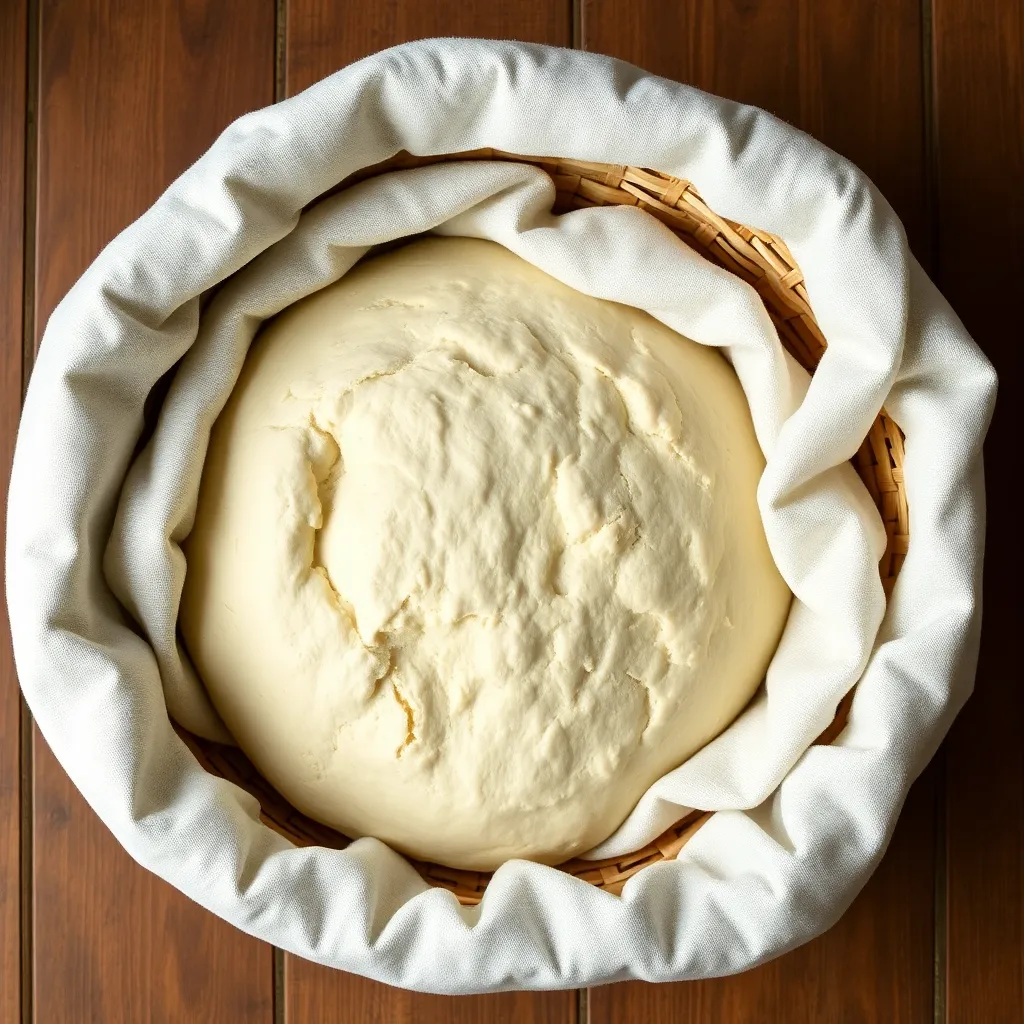
A linen liner fits inside the banneton and provides a smooth-surfaced proof. Linen absorbs some moisture from the dough surface, which is the same moisture-wicking function as bare rattan — but the mechanism is the liner rather than the basket itself.
The advantage of a linen liner: much more forgiving. Dough releases more reliably, especially for wet, high-hydration doughs. Easier to clean.
The disadvantage: no spiral pattern in the crust.
For beginners: Use a linen liner until you're comfortable with the shaping and proofing process. Switch to bare rattan when you want the pattern and don't mind the extra care.
Sizing Guide
Getting the size right matters. A dough too small for the basket won't maintain its shape; too large and it overflows.
| Banneton Size | Dough Weight | |--------------|-------------| | 8" round | 700-800g | | 9" round | 900-1100g | | 9" oval | 750-900g | | 10" oval | 900-1100g |
Most beginner sourdough recipes use 500g flour (roughly 800-900g total dough weight). A 9" round or 9" oval handles this comfortably.
Top Picks
SUGUS HOUSE 9" Round Banneton Set (~$25–30)
This is the standard starter set recommendation in most sourdough communities. It comes with a 9" round banneton, a linen liner, a plastic dough scraper, and occasionally a scoring lame — everything you need to start.
The rattan quality is decent for the price. The linen liner releases well. For someone buying their first banneton, this set is the obvious pick.
HATRIGO 9" Oval Banneton (~$20–25)
Once you're comfortable with round loaves, an oval banneton opens up batard shapes. The HATRIGO oval is consistently well-reviewed for its even coil spacing and reliable release.
Brotform.com or Breadtopia Premium Bannetons (~$35–50)
For bakers who want higher-quality rattan, specialty bread stores carry bannetons with tighter weave and more uniform coils. The release is better out of the box and the pattern in the crust is more defined.
Worth the upgrade if you bake regularly and want better aesthetics.
Check premium bannetons on Amazon
How to Season and Care for Your Banneton
New banneton prep: Lightly mist with water and dust with rice flour (rice flour doesn't absorb moisture the way wheat flour does). Shake out excess. Let dry. Repeat once or twice before first use.
Before each use: Dust with rice flour. Flip over and tap out excess. You want a fine, even coat — not a pile of flour.
After use: Let dry completely before storing. Do not wash with soap. Brush out any stuck flour. If dough sticks, let it dry and brush/scrape it off when it's crusty.
Long-term storage: Store in a paper bag or open container — never sealed plastic. It needs to breathe to prevent mold.
Frequently Asked Questions
Do you really need a banneton for sourdough, or can you use a bowl?
A regular bowl lined with a well-floured kitchen towel works and many bakers start that way. A proper banneton works better — the rattan or linen wicks surface moisture more effectively, the rigid shape holds high-hydration doughs better during proofing, and you get more consistent results. That said, start with a bowl if you're just testing the waters.
How do I keep dough from sticking to my banneton?
Rice flour is the key. Unlike wheat flour, rice flour doesn't absorb moisture from the dough and creates a more effective non-stick barrier. Dust the banneton generously with rice flour before each use, tap out the excess, and make sure the basket is completely dry before flouring. New bannetons need 2–3 uses to break in before they release reliably.
What size banneton do I need for a standard sourdough recipe?
Most beginner sourdough recipes use 500g of flour, which produces roughly 800–900g of total dough weight. A 9" round or 9" oval banneton handles this comfortably. If your recipe uses more flour or you like larger loaves, size up to a 10" oval.
Can I put a banneton in the refrigerator for overnight proofing?
Yes — cold retarding in the banneton overnight is one of the most popular sourdough techniques. The cold temperature slows fermentation, develops more complex flavor, and makes the dough firmer and easier to score straight from the fridge. Most rattan bannetons handle refrigerator use without any issues.
How do I clean a banneton?
Do not wash a rattan banneton with soap and water — it can warp the rattan and introduce moisture that leads to mold. After use, let the banneton dry completely, then brush or tap out any stuck flour. If dough has dried onto the rattan, let it fully crust over and scrape it off with a stiff brush. Store in a paper bag or open container so it can breathe.
The Honest Bottom Line
You don't need to spend a lot on a banneton. A $25 set with a 9" round basket and a linen liner is fully capable of producing beautiful bread.
Buy a round 9" to start. Add an oval when you want to branch out. Use rice flour to prevent sticking. Let it dry completely between uses.
The banneton doesn't make the bread — the shaping and proofing do. But a good banneton makes the process more consistent and the results more visually satisfying.
As an Amazon Associate we earn from qualifying purchases. This article contains affiliate links; if you buy through them we may earn a small commission at no additional cost to you.