The Best Dutch Ovens for Baking Sourdough — Ranked
The dutch oven is the most important piece of gear in a sourdough baker's kitchen. Not because of brand prestige or aesthetics — because physics.
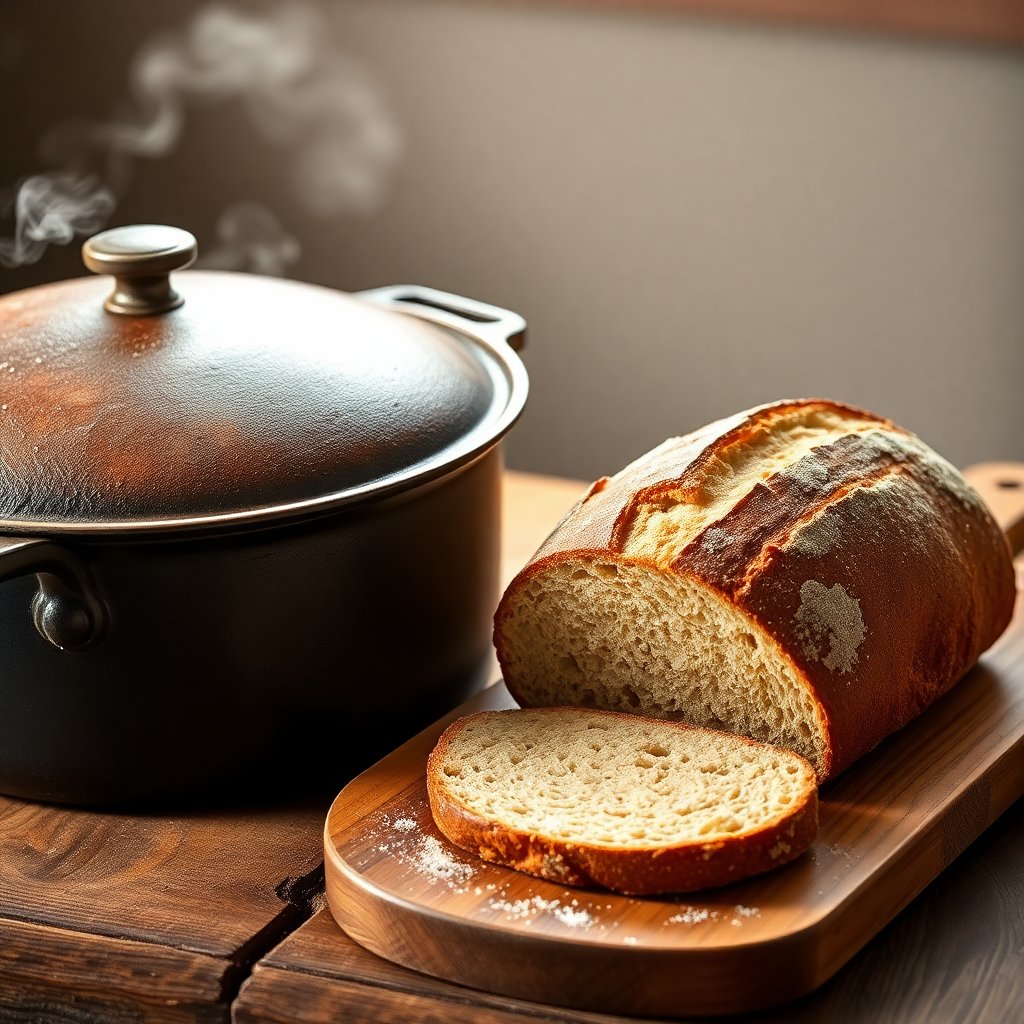
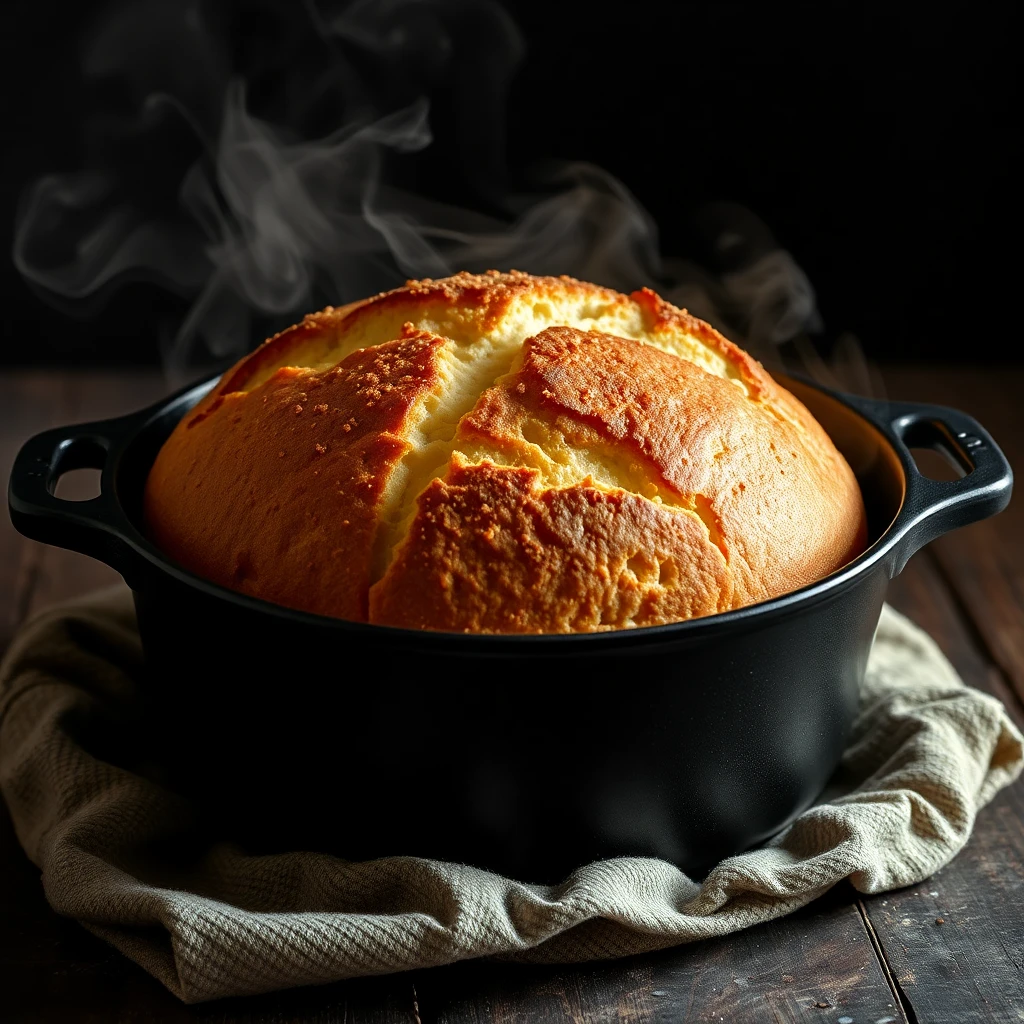
When you bake sourdough in a covered dutch oven, the moisture from the dough creates a steam environment during the first 20 minutes of baking. That steam keeps the crust soft and elastic, allowing maximum oven spring (the rapid rise that happens when cold dough hits a hot oven). Without steam, the crust sets too fast and your loaf doesn't open properly. No dutch oven, no proper ear, no open crumb.
That said, a $50 Lodge works. A $400 Le Creuset works better. Here's the honest breakdown of every meaningful option.
What Makes a Good Dutch Oven for Sourdough
Before getting to specific products, the specs that actually matter:
Size: 5-5.5 qt is the standard. Too small and your dough has nowhere to expand; too large and the steam disperses too much. A 5.5qt round dutch oven fits a standard 1000g batard or boule.
Shape: Round for boules, oval for batards. Most home bakers start with a round. If you bake elongated loaves, an oval is worth considering.
Material: Enameled cast iron or bare cast iron. Bare cast iron retains heat slightly better. Enameled is easier to clean and doesn't require seasoning. Both work excellently for sourdough.
Lid fit: The lid needs to seal well enough to trap steam. This is where some budget options fall short.
Wall thickness: Thicker walls = better heat retention = more consistent baking environment. This is one real advantage of the premium options.
Le Creuset 5.5qt Round Dutch Oven (~$380–$420)
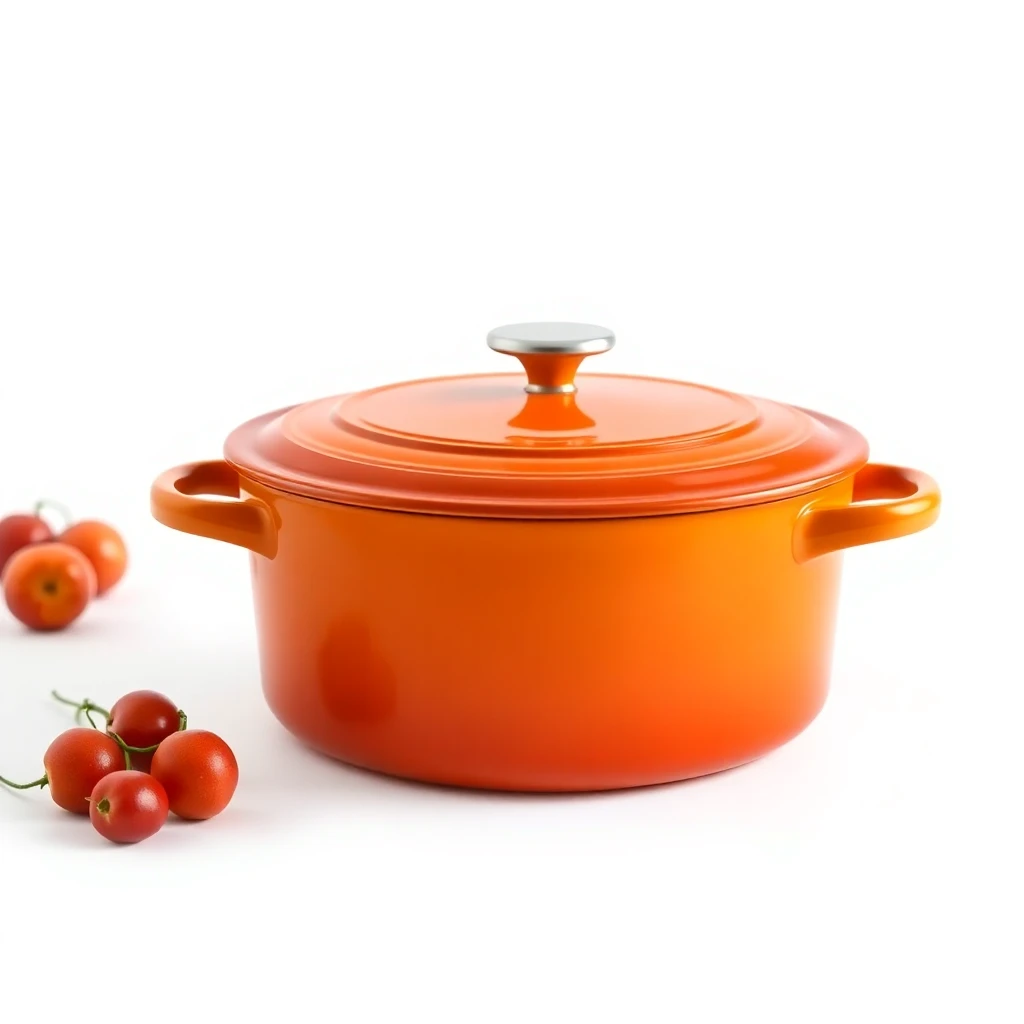
Le Creuset is the benchmark. The 5.5qt round has been a kitchen staple for decades and it performs exactly as advertised for sourdough: excellent heat retention, a lid that seals perfectly, thick enameled walls, and a phenolic knob that can handle up to 500°F.
The results are genuinely better than most competitors — consistent bottom heat, good steam retention, beautiful browning on the crust. The interior black enamel makes it easier to spot caramelization.
The limitation is obvious: $380+ is a lot for a pot. Many home bakers bake excellent bread in a Lodge that costs one-tenth the price.
Best for: Bakers who want the best possible tool and will use it for everything — sourdough, braises, soups, everything. Amortized over a lifetime of use, the per-use cost is trivial.
Check Le Creuset Dutch Oven on Amazon
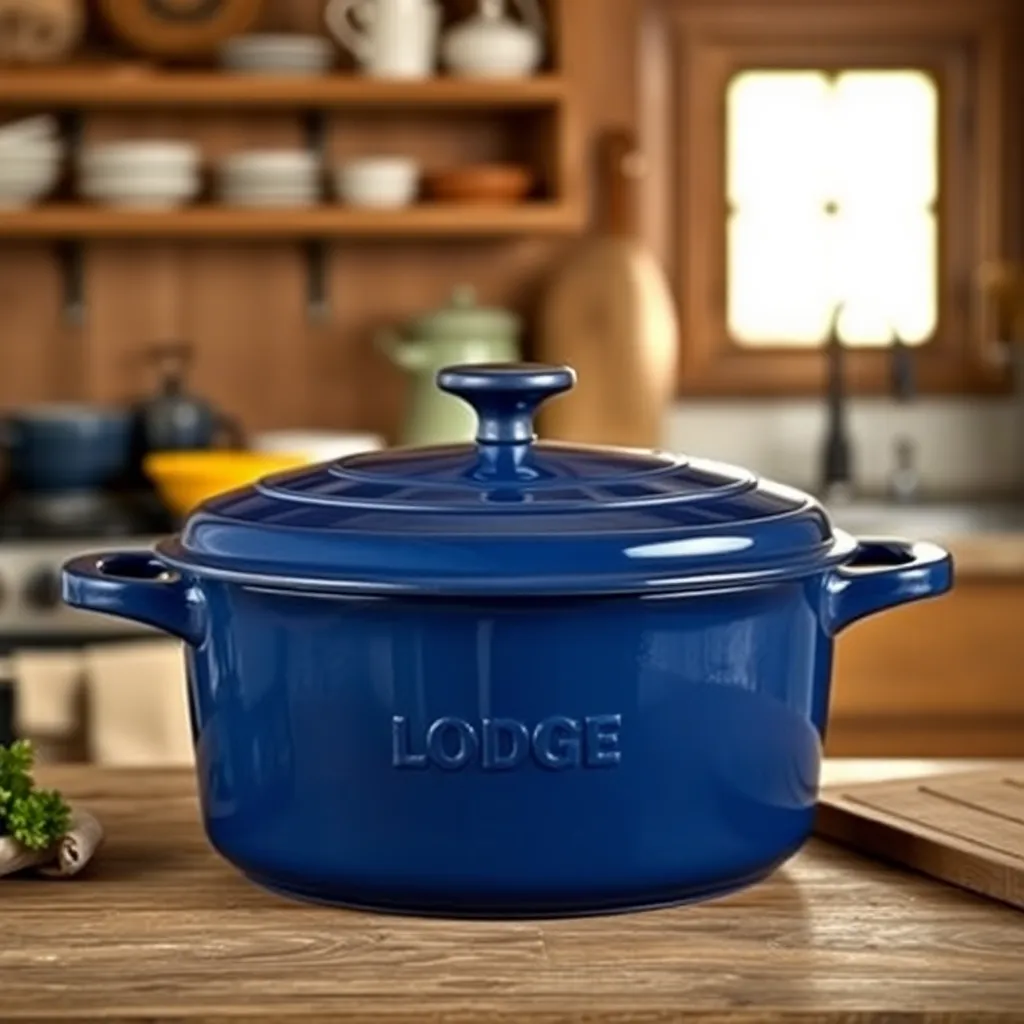
Lodge 6qt Enameled Dutch Oven (~$50–80)
The Lodge is the standard recommendation for home bakers on a budget, and it earns that recommendation honestly. It bakes excellent bread. The heat retention is good, the lid fits well, and the enamel is durable.
The gap between a Lodge loaf and a Le Creuset loaf is real but not enormous for most bakers. You're looking at marginally less consistent bottom heat and slightly less steam retention — things that matter for competition baking, less so for home bakers.
The Lodge also chips more easily than Le Creuset — avoid thermal shock (cold water on a hot pot) and it will last years.
Best for: Most home bakers. This is the honest recommendation for anyone who isn't prepared to spend $400 on a pot.
Check Lodge Dutch Oven on Amazon
Challenger Breadware (~$300)
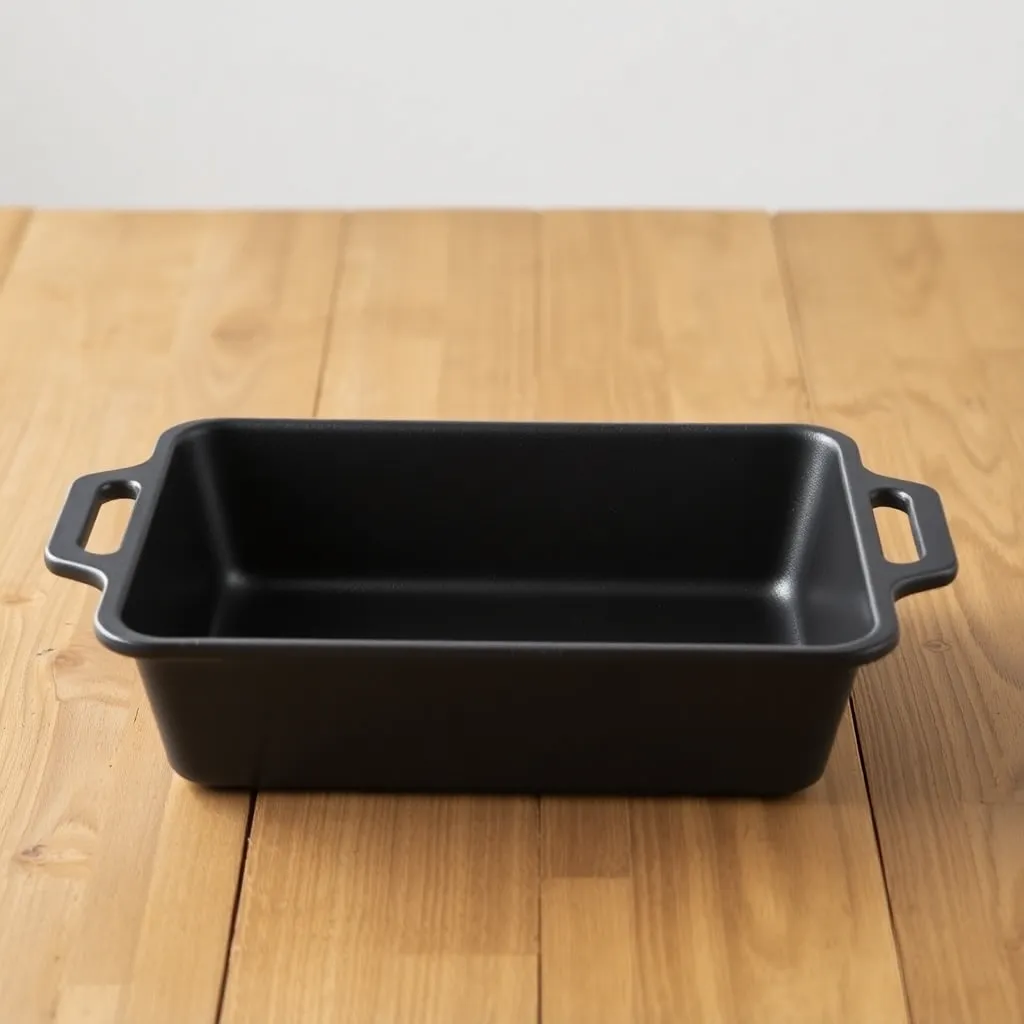
The Challenger is purpose-designed for bread baking, which makes it unique in this roundup. Instead of a deep pot with a dome lid, the Challenger is a cast iron baking vessel with a wide, shallow base and a generous dome lid.
The design advantage: you load your dough into the wide base (no more lowering a delicate dough ball into a deep pot), and the dome lid traps steam over the top of the loaf rather than pooling it around the sides. Many bakers report better ear and crust development with the Challenger.
The limitations: it's more expensive than a Lodge, less versatile (you're not making soup in this), and requires different handling than a traditional dutch oven.
Best for: Bakers who are serious about sourdough specifically and want purpose-designed equipment.
Check Challenger Breadware on Amazon
Staub 5.5qt Cocotte (~$200–300)
Staub is the other French cast iron heavyweight alongside Le Creuset. The key difference: Staub's interior is matte black enamel (rather than Le Creuset's cream/sand interior), which Staub claims browns more effectively.
The lid design is also distinctive — Staub lids have small spikes on the interior that collect condensation and redistribute it back over the food. For sourdough, this means slightly more steam retention.
Performance is comparable to Le Creuset. Most bakers who've used both can't consistently tell the difference in the finished loaf.
Best for: Bakers who want premium French cast iron at a somewhat lower price than Le Creuset, or who prefer Staub's aesthetics.
Check Staub Dutch Oven on Amazon
Budget Cast Iron: Lodge 6qt Bare Cast Iron (~$40)
The bare cast iron Lodge (not enameled) is the cheapest capable dutch oven for sourdough. Heat retention is excellent — arguably better than enameled versions. The inside is seasoned rather than enameled.
The practical problem: dough can stick to seasoned cast iron, especially wet doughs. You need to be more careful with parchment and handling. Cleaning requires care — no soap on seasoned cast iron.
Best for: Bakers who already have bare cast iron experience and want the cheapest capable option.
Check Lodge bare cast iron on Amazon
Comparison Table
| Dutch Oven | Price | Material | Best For | |-----------|-------|----------|---------| | Le Creuset 5.5qt | ~$400 | Enameled cast iron | Best overall, lifetime tool | | Challenger Breadware | ~$300 | Bare cast iron | Bread-specific, better loading | | Staub 5.5qt | ~$250 | Enameled cast iron | Premium alternative to Le Creuset | | Lodge Enameled 6qt | ~$65 | Enameled cast iron | Best value, most bakers | | Lodge Bare 6qt | ~$40 | Bare cast iron | Budget pick |
The Bottom Line
Buy the Lodge Enameled if you're starting out or don't want to spend $300+. It bakes excellent bread. Don't let anyone talk you into a $400 pot until you've baked 50+ loaves and know you want to keep going.
Buy the Challenger if sourdough is the main thing you're baking and you want purpose-designed equipment.
Buy the Le Creuset if you want the best tool you'll own for the rest of your life and you'll use it for cooking generally, not just bread.
Whatever you buy: preheat it empty in the oven for at least 45 minutes before baking. The temperature of the vessel matters as much as the temperature of the oven.
Frequently Asked Questions
What is the best Dutch oven for sourdough bread?
The Lodge 6-Quart Enameled Cast Iron is the best value pick — excellent heat retention, enamel surface that releases bread cleanly, and a 6-quart capacity that handles standard 900g–1000g sourdough loaves with proper clearance. The Challenger Bread Pan is the purpose-designed premium option with a wider shallow base for maximum loaf expansion. The Le Creuset 5.5-Quart is the lifetime piece if budget isn't the primary consideration.
Do I need a Dutch oven for sourdough?
A Dutch oven (or similar enclosed baking vessel) is strongly recommended for home bakers. It replicates steam injection — professional ovens inject steam in the first 15 minutes of baking, keeping the crust supple so the loaf can expand. The enclosed Dutch oven traps steam from the bread itself. Without it, the crust sets too quickly and the loaf doesn't open properly. It's possible to bake sourdough without one, but results are significantly better with one.
What size Dutch oven is best for sourdough?
A 5–6 quart round Dutch oven is the standard for a standard 800g–1000g loaf. A 5.5-quart gives adequate clearance for the loaf to expand. Go no smaller than 4.5 quarts. Oval Dutch ovens work for batards (oval loaves); round Dutch ovens are most versatile. If you bake larger batches (1200g+ loaves), a 7-quart provides more headroom.
How do I prevent sourdough from sticking to my Dutch oven?
Two methods work well: preheat parchment paper beneath the loaf (transfer the banneton-proofed loaf onto parchment, then lower into the hot Dutch oven using the paper as handles), or generously coat a room-temperature Dutch oven with oil before loading and baking cold-start. Most bakers prefer the parchment method for ease and safety. Enameled cast iron releases more easily than bare cast iron for bread purposes.
Can I use a regular pot instead of a Dutch oven for sourdough?
Any oven-safe pot with a tight-fitting lid that can withstand 500°F works. Cast iron, enameled cast iron, and ceramic baking cloche all function well. Avoid pots with plastic handles or components. The key property you need is the enclosed space that traps steam — whatever vessel achieves that will work. Many home bakers use a combination of a casserole dish inverted over a cast iron skillet successfully.
As an Amazon Associate we earn from qualifying purchases. This article contains affiliate links; if you buy through them we may earn a small commission at no additional cost to you.