How to Score Sourdough: Lame Blades, Patterns, and Why It Matters
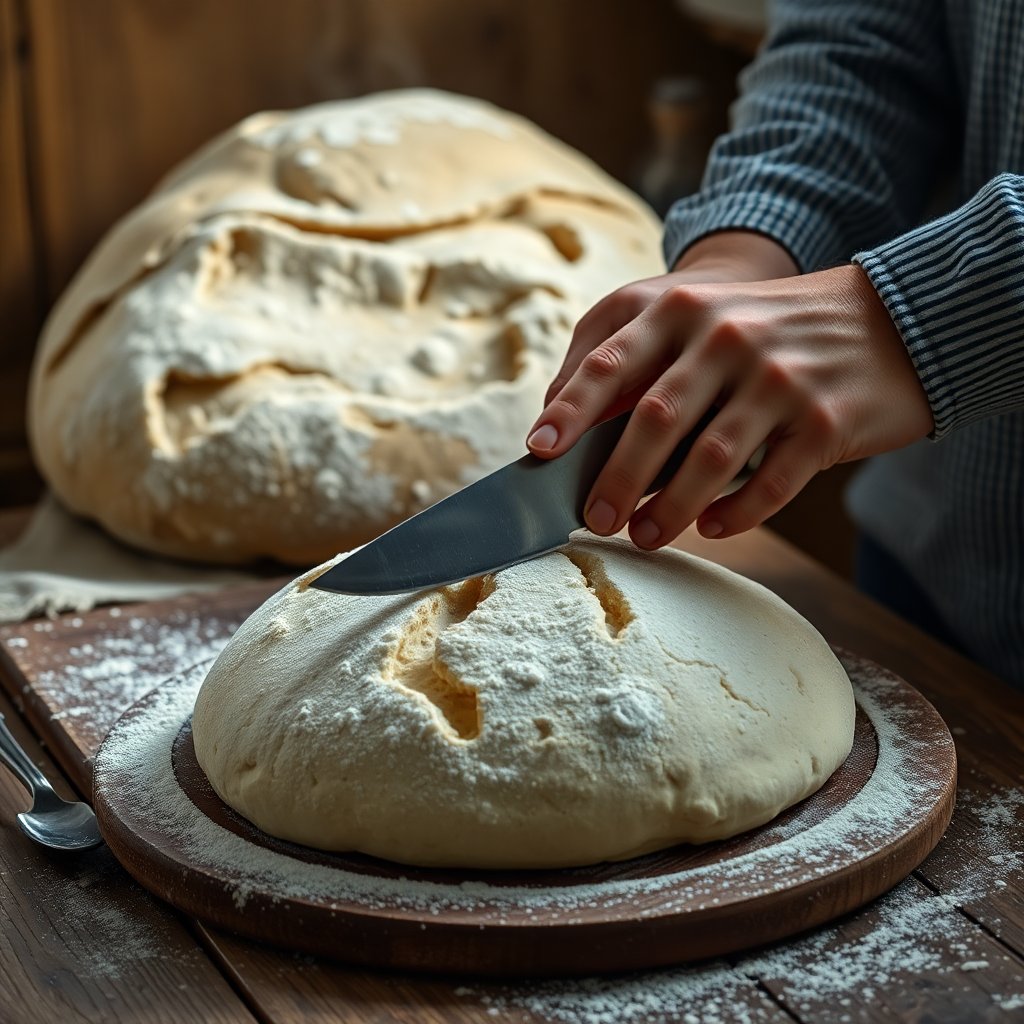
Scoring is the last thing you do before the bread goes in the oven, and it has a bigger impact on the final loaf than most beginners expect.
The scores you cut into the surface aren't just decorative — they're controlled weak points that determine where your bread expands during baking. Without scoring (or with bad scoring), the bread finds its own expansion points, usually somewhere on the side of the loaf. With good scoring, you direct the expansion exactly where you want it, creating better oven spring and that distinctive "ear" that well-baked sourdough is known for.
Here's what you need to know.
Why Scoring Matters
When cold dough hits a hot dutch oven, three things happen rapidly:
- The gases trapped in the dough expand dramatically (oven spring)
- The outer surface begins to set and form a crust
- The interior continues to rise and push outward
If the surface has nowhere to expand — because the crust is setting before the interior has fully risen — the bread bursts uncontrollably. Scoring creates a pre-planned opening that remains soft long enough to allow full expansion.
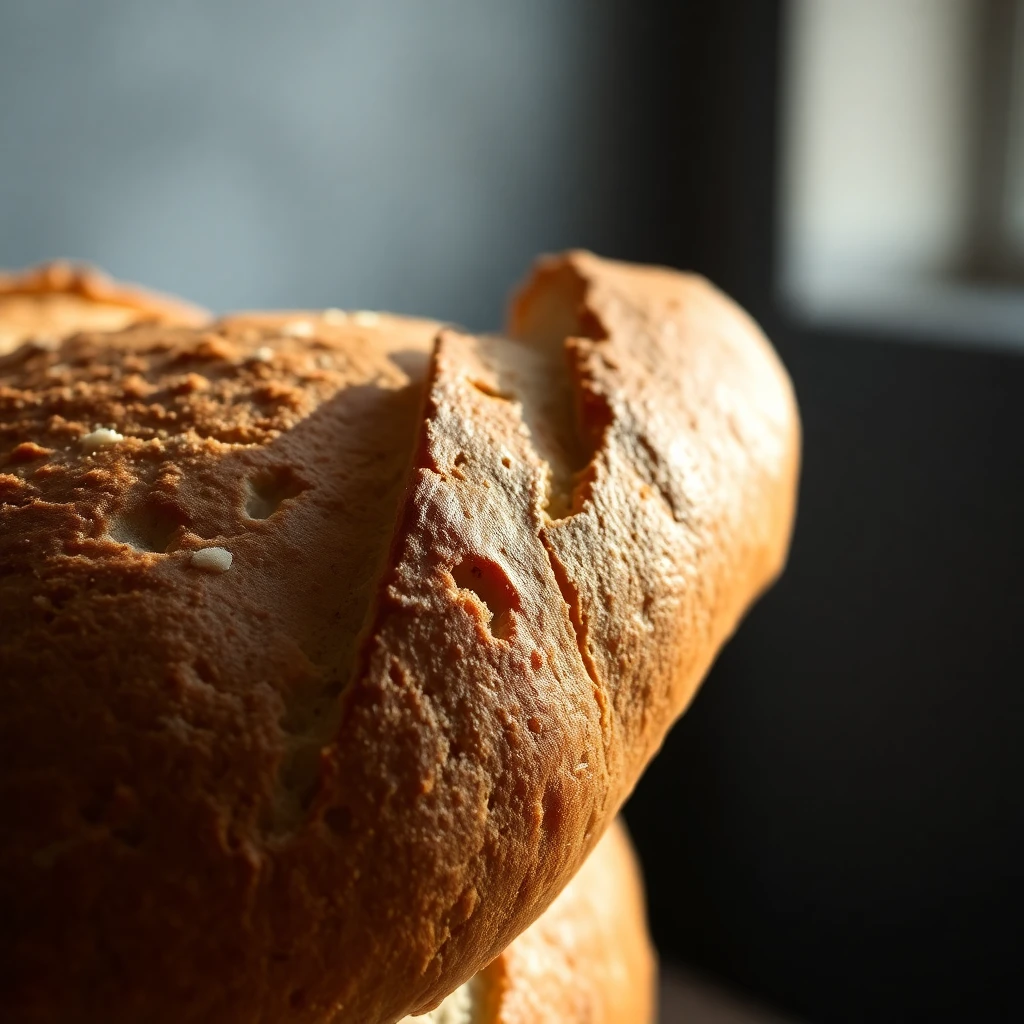
The "ear" — the raised flap of crust that arches over a well-scored loaf — forms when a correctly angled score opens properly during baking. The steam environment inside the dutch oven keeps the surface of the score soft while the rest of the crust sets.
No score = uncontrolled expansion. The bread will still rise and still bake, but it will look misshapen and the crumb structure suffers.
Tools: Types of Lames
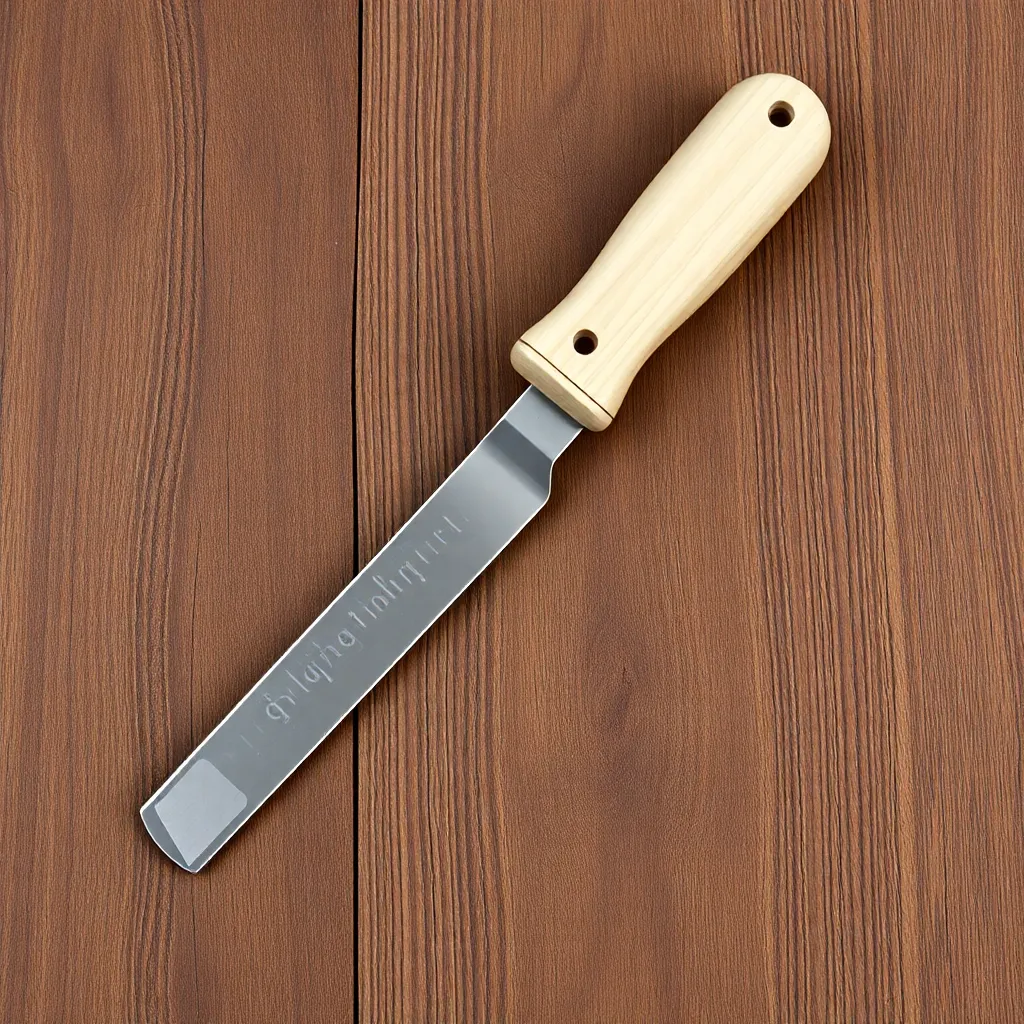
A lame (pronounced "lahm") is the scoring tool — typically a handle with a replaceable razor blade attached. There are several styles:
Straight Handle Lame (~$10–15)
A simple stick with a blade holder. The blade can be bent into a slight curve or kept flat. Cheap, simple, effective once you learn the angle. The most common starter lame.
Check straight lames on Amazon
Curved/Arched Handle Lame (~$15–30)
The blade is mounted on a curved piece that holds it at a consistent shallow angle — the angle that produces the best ears. Less skill required to get the right angle than a straight lame.
Popular brands include Wiremonkey and various bakery supply options. The Wiremonkey is the premium option and worth it if you bake frequently.
Check curved handle lames on Amazon
UFO-Style Lame (~$15–25)
A circular handle that the baker grips like a pencil, with the blade extending from the end. Provides more control for decorative scoring but is less intuitive for standard single-slash scoring.
Box Cutter / Razor Blade
In a pinch, a sharp box cutter or even a new razor blade held between your fingers will work. Not ideal, but it works. If your lame blade is dull and you're about to bake, this is your emergency option.
Blade Sharpness
This is critical and underappreciated. A dull blade drags through the dough surface instead of slicing cleanly. When a blade drags, it deflates the dough and smears the surface rather than creating a clean opening.
Most lame blades are designed to be replaced frequently — they're cheap razor blades. If your scoring is tearing rather than cutting, replace the blade. A new blade every 3-5 bakes is not overkill for a baker who takes scoring seriously.
Basic Scoring Patterns
The Single Slash (Batard/Oval Loaf)
The most functional score for oval loaves. A single cut along the length of the loaf at 30-45 degrees from the surface.
Technique:
- Work quickly — dough is cold from the refrigerator and you want it cold when it hits the oven
- Angle the blade 30-45 degrees from the surface (nearly parallel to the dough, not perpendicular)
- Slice in one confident motion, about 1/2" deep
- Start and finish slightly past the ends of the loaf
This shallow angle is what creates the ear. A perpendicular score (blade straight up and down) cuts deeper but doesn't produce an ear.
The Cross (Boule/Round Loaf)
Two intersecting cuts in an "X" pattern across the top of a round loaf. More forgiving than the single slash — if one cut is imperfect, the other compensates.
Good for beginners who aren't yet confident in their single-slash angle. The cross also works well for denser, lower-hydration doughs.
The Leaf/Wheat Pattern
A central spine with curved lines branching off, creating a leaf or wheat stalk pattern. Purely decorative once you have the basics down, but satisfying to achieve.
The central spine should be scored at a low angle (ear-producing). The branches are scored perpendicular — they allow expansion without creating ears, so the loaf expands evenly across the pattern.
The Square/Box Score
A square or diamond scored into the top of a boule. Four lines creating a geometric pattern. Each line allows controlled expansion.
Technique: The Keys to Good Scoring
Cold dough: Score cold dough straight from the refrigerator. Warm dough is soft and sticky — the blade drags rather than cuts. Cold dough is firm and holds its shape under the blade.
Confidence: Hesitation creates jagged, torn cuts. Commit to the motion and follow through. A confident shallow slash is better than a tentative deep one.
Speed: The entire scoring process should take 5-10 seconds. You're losing oven temperature every second the lid is off. Score fast.
Sharp blade: Every time. If you're unsure, replace it.
Flour the surface: A light dusting of rice flour on the surface of the dough helps the blade slide cleanly and creates the dark-on-light scoring contrast that makes patterns visible in the finished crust.
Troubleshooting
No ear, just a gash: Blade angle was too steep (too perpendicular to the dough). Angle flatter — nearly parallel to the dough surface.
Dough deflated when I scored: Dough wasn't cold enough, blade was dull, or you pressed too hard instead of slicing. Score straight from the fridge, replace the blade.
Score closed up completely: Dough was under-proofed. An under-proofed loaf has a tight, dense gas structure that collapses and seals rather than opening during baking.
Score opened too much, loaf spread flat: Over-proofed dough. The gluten structure is too relaxed to hold the loaf's shape.
Scoring problems often point to fermentation problems. A properly fermented and shaped loaf will score beautifully. A badly proofed loaf will score poorly regardless of technique.
Frequently Asked Questions
Why do you score sourdough bread before baking?
Scoring creates controlled weak points in the dough surface so bread expands where you want it to rather than bursting unpredictably along the sides. Without scoring, oven spring forces the loaf to rupture wherever the crust is thinnest, resulting in misshapen bread and a denser crumb structure.
What angle should I hold the lame when scoring sourdough?
Hold the blade at a shallow 30–45 degree angle, nearly parallel to the dough surface rather than perpendicular. This shallow angle is what creates the signature "ear" — if you cut straight down, you'll get a deep gash but no raised flap of crust.
How deep should sourdough scoring cuts be?
About ½ inch (1–1.5 cm) deep is the target for a main scoring cut. Too shallow and the score seals before the bread fully expands; too deep and you risk deflating the dough or losing the ear. One confident, decisive slash at the right angle beats a tentative deep one.
Can I score sourdough without a lame?
Yes — a sharp box cutter, a new razor blade held carefully, or even a very sharp serrated knife will work in a pinch. The key word is sharp: a dull blade drags and tears rather than slices cleanly, which can deflate the dough. A proper lame just makes hitting the right angle easier and more consistent.
Why did my sourdough score close up and not open?
A score that seals shut usually means the dough was under-proofed. Under-proofed dough has a tight, compressed gas structure that collapses inward rather than opening under oven spring. Check your fermentation — a well-proofed loaf with a sharp blade and correct angle should open cleanly.
Start Simple
Don't start with the wheat pattern. Start with a single slash on an oval loaf, and focus on the angle.
Once you're getting consistent ears with a single slash, add the cross for round loaves. The decorative patterns come naturally once the fundamentals are there.
The ear is the badge of a well-baked sourdough loaf. Angle the blade, commit to the motion, and go.
As an Amazon Associate we earn from qualifying purchases. This article contains affiliate links; if you buy through them we may earn a small commission at no additional cost to you.